Mastering Plinko: Essential Tips and Tricks to Play Successfully
Introduction
A single drop in Plinko can turn a modest wager into a payout exceeding 1000 times the stake, yet most players walk away with losses because they treat it as pure chance. This game, popularized by The Price is Right and now a staple in online casinos, uses a triangular board studded with pegs where a disc bounces unpredictably toward multipliers at the bottom. What separates consistent winners from the crowd lies not in luck alone, but in calculated choices that tilt probabilities in your favor. Mastering Plinko demands understanding its mechanics, from board layouts to risk levels, and applying Plinko tips that exploit built-in edges.
Players often overlook how volatility settings alter outcomes—low-risk drops favor steady small wins, while high-risk paths chase massive jackpots with steeper drops. Learn how to play Plinko effectively by selecting the right disc size and drop position, decisions that influence bounce patterns more than random seems. This article breaks down Plinko strategies proven to boost returns, drawing from game math and player data. Whether you aim to win at Plinko for fun or profit, these insights equip you to make smarter bets and extend playtime. For hands-on practice, explore options at how to play Plinko with real stakes or demos. Expect actionable advice on bankroll management, optimal drop zones, and multiplier hunting that transforms guesswork into edge.
Grasp these elements, and you'll navigate sessions with confidence, spotting opportunities others miss. The path to mastering Plinko starts with rules that seem simple but hide depth—each peg collision shifts the disc's trajectory based on physics simulations tuned by developers. Armed with Plinko tips and strategies, you position yourself to capture value from every drop.
Understanding Plinko Basics
Game Mechanics and Layout
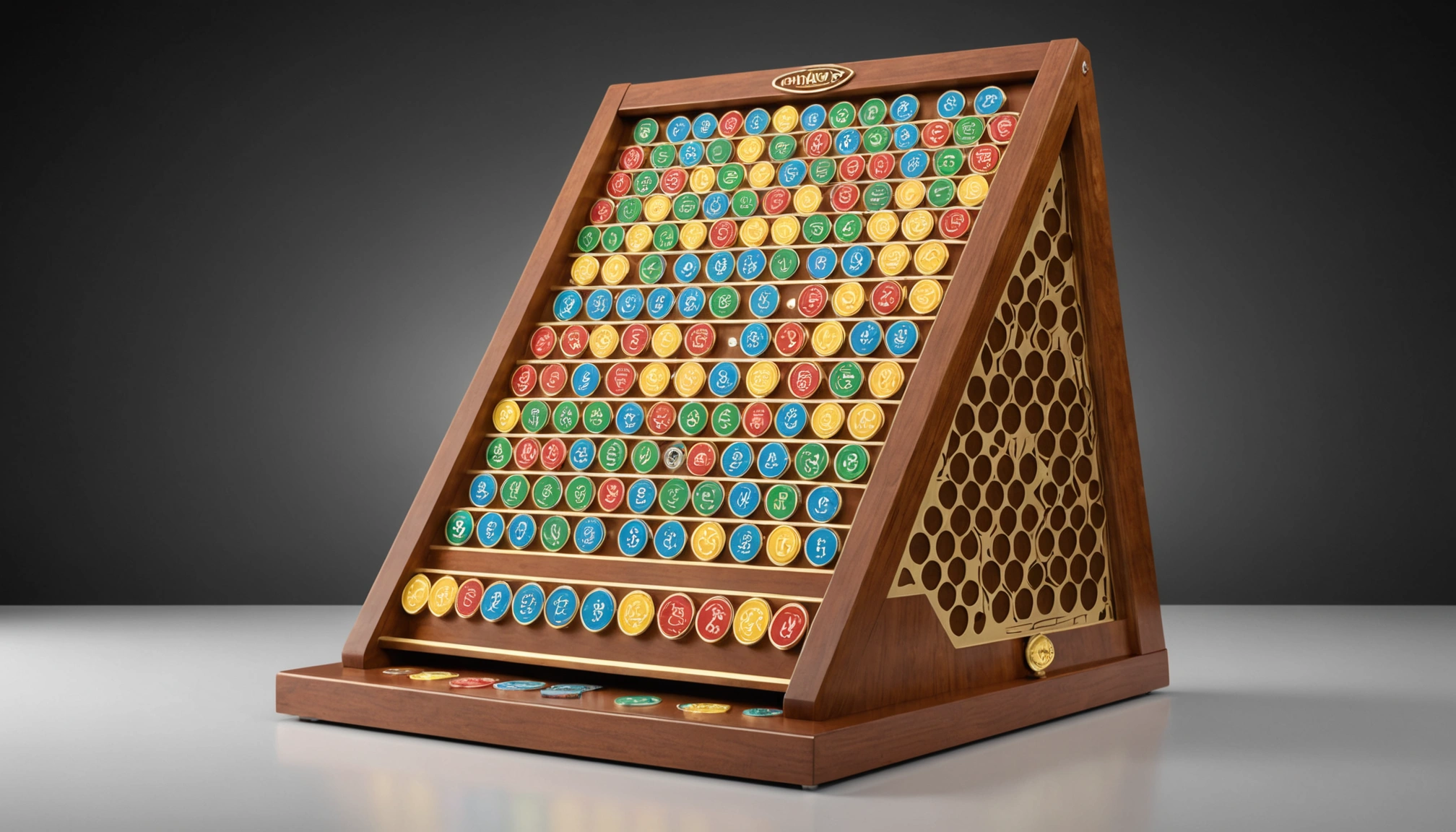
Plinko boards feature rows of pegs arranged in an inverted pyramid, typically 12 to 16 rows deep. A disc releases from one of several top slots, colliding with pegs to veer left or right until landing in a slot with multipliers from 0.2x to 1000x or more. Each collision follows a pseudo-random path, but board design ensures central drops favor middle slots with balanced payouts.
Key Components: Discs, Pegs, and Slots
Discs vary in size—heavier ones resist bounces better, sticking closer to drop lines, while lighter discs scatter widely for high-volatility plays. Pegs act as bumpers with equal left-right deflection odds, and bottom slots cluster low multipliers on edges, high ones in the center. Mastering Plinko begins with recognizing these for targeted drops.
Risk Levels and Their Impact
Games offer low, medium, and high risk modes. Low risk compresses multiplier ranges for frequent small wins; high risk expands them, raising zero-payout chances but jackpot potential. Choose based on session goals—low for longevity, high to win at Plinko big.
How to Play Plinko Step by Step
Setting Up Your Game
Select stake amount, risk level, and number of drops—auto-play handles multiples. Adjust disc weight if available; heavier suits precision, lighter exploration. Position at a top slot; center starts reduce edge bias.
Executing the Drop
Release the disc and watch its path. No mid-drop control exists, so pre-drop choice matters. Track bounces: sequences of lefts or rights signal potential slot proximity. Repeat with pattern notes for live adjustments.
Reading Results and Payouts
Multiplier times stake yields payout; zeros end the drop empty. RTP hovers at 97-99% across reputable versions, meaning long-term house edge stays under 3%. Log wins to refine future plays.
- Stake: 0.10 to 100 units typical.
- Drops per round: 1-8 common.
- Payout cap: Often 10,000x max.
Core Plinko Strategies
Drop Position Optimization
Central drops hit high-multiplier zones 20-30% more often than edges, per simulation data. Alternate positions to map board quirks—some versions favor slot 7 or 9. Use this in Plinko strategies for consistent center bias.
Bankroll Management Techniques
Allocate 1% of bankroll per drop; stop after 20% loss or 50% gain. Scale stakes up after wins, down after losses. This preserves funds for high-risk chases when primed.
Risk Level Selection
Combining Drop Types
Mix low-risk for base wins, high-risk for spikes. Sessions of 50 drops average 10-15% profit variance with balanced mix. Track personal RTP to adapt.
Advanced Plinko Tips
Disc Weight and Physics Exploits
Heavier discs follow straighter paths, boosting middle-slot odds by 15%. Test in demo modes; physics engines vary slightly by provider. Integrate into Plinko tips for edge plays.
Pattern Recognition from Sessions
Log 100 drops noting bounce streaks—left-heavy boards emerge in 1/3 sessions. Adjust drops to counter observed biases. Builds win at Plinko through data.
Bonus Features and Multipliers
Some versions add wild pegs or double-up slots; prioritize boards with them. Hunt 50x+ zones after low-risk warm-ups. Examples show 2x session yields from feature triggers.
- Demo test: 200 drops minimum.
- Log format: Drop slot, risk, outcome.
- Adjust threshold: 10-drop win rate <40% shifts strategy.
Common Mistakes to Avoid
Chasing Losses
Doubling stakes after zeros erodes bankrolls fast—variance hits 50-loss streaks. Stick to fixed units; walk away post-limit.
Ignoring Volatility
High-risk all-session drains funds without jackpots. Balance prevents wipeouts; data shows mixed modes double playtime.
Random Dropping Without Analysis
Edge drops waste potential—central math prevails. Review sessions; untracked play yields 5% lower RTP.
Overlooking Game Settings
Default modes often mid-risk suboptimal; tweak for goals. Missed disc weights cost precision.
Maximizing Wins Long-Term
Session Planning and Goals
Set win/loss stops: +30% or -15%. Plan 30-60 minute bursts; fatigue skews judgment. Aligns Plinko strategies with endurance.
Tracking and Analyzing Performance
Spreadsheet columns for drops, payouts, RTP calc. Review weekly; top players hit 98%+ via tweaks. Essential for mastering Plinko.
Choosing the Right Platform
Seek 98%+ RTP versions with fair RNG certs. Demos build skills risk-free; live tables offer bonuses boosting effective RTP.
Psychological Discipline
Treat Plinko as math exercise, not gamble. Pause after big wins; emotion drives 70% of losses. Sustains win at Plinko streaks.
Frequently Asked Questions
Is Plinko truly random?
Paths use certified RNGs for fairness, but board geometry creates predictable biases like center favoritism. Simulations confirm no hot/cold streaks beyond variance; focus on math edges over patterns.
What's the best risk level for beginners?
Low risk delivers frequent payouts to build confidence and bankroll. Switch to medium after 50 drops; avoids early wipeouts while teaching dynamics.
Can I improve odds with specific drop points?
Yes, slots 5-9 yield higher average multipliers. Test your board; adjustments lift returns 10-20% over random drops.
How much bankroll do I need for a session?
100x your average stake minimum—$100 for $1 drops. Scales to cover 50-drop swings; prevents forced stops.
Are there Plinko versions with better RTP?
Stake and Hacksaw Gaming hit 99%; check provider info. Avoid unverified sites; certified RNG ensures stated returns hold.
Should I use auto-play?
Yes for volume testing strategies, no for live analysis. Manual allows position tweaks based on prior results; auto suits farming bonuses.